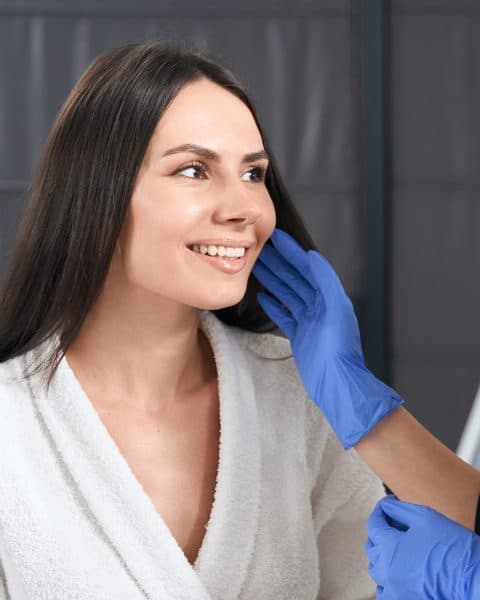
The answer for a hollow that casts a shadow: a small amount of hyaluronic acid filler under the eye softens the hollow and the dark shadow that read as tired no matter how much you sleep.
Explore Dermal FillersYou sleep, and you still look tired in every photo. Under-eye shadows often come from a hollow rather than the night before. A consultation is where we work out what is casting yours and what would help.
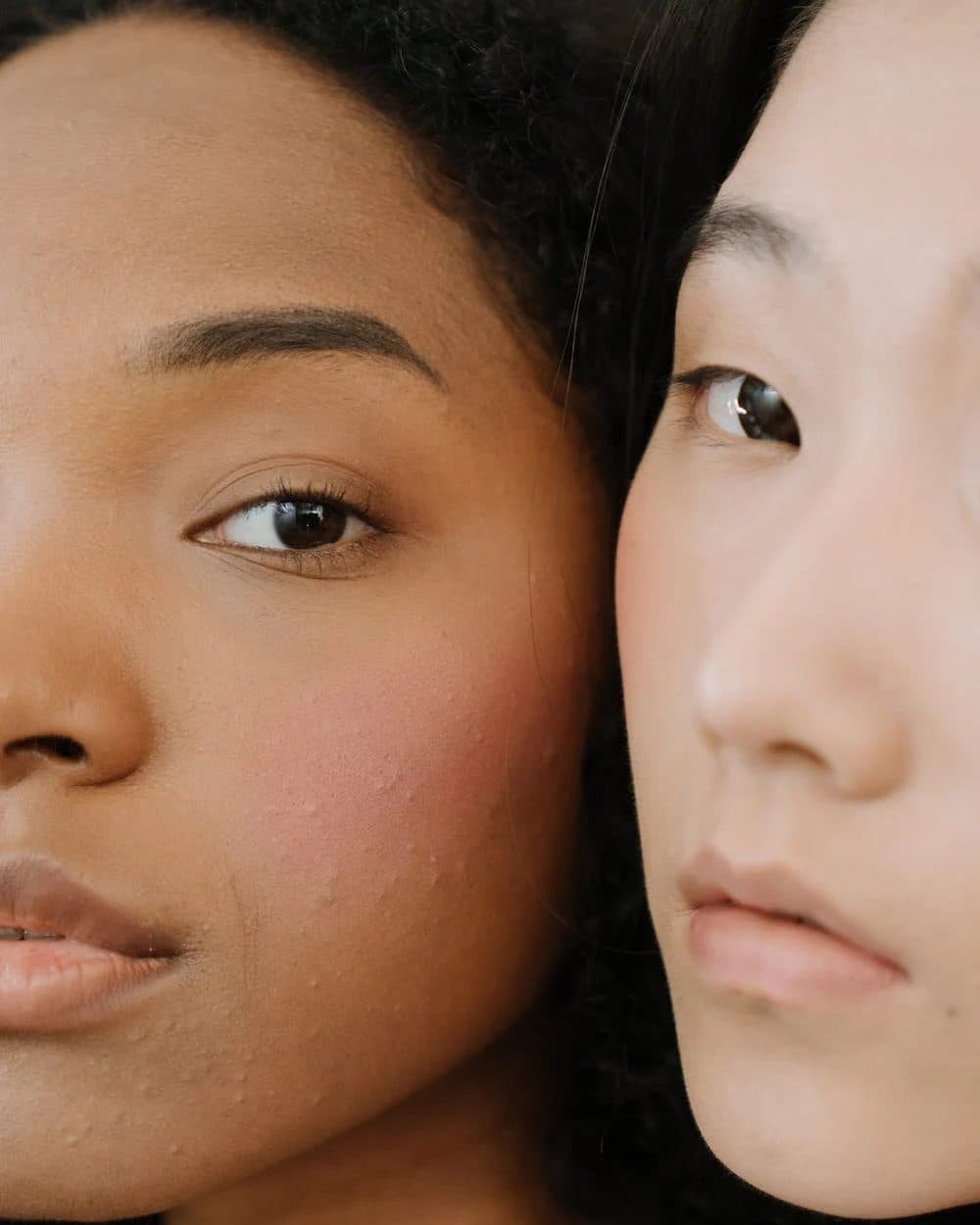
The shadow under your eyes is not always about sleep. As the face loses collagen and volume, the under-eye hollows, and the hollow casts a shadow that reads as tired no matter how rested you are. Concealer covers the color but not the dip, which is why it often falls short in daylight or on camera.
Sometimes the hollow is the whole story. Sometimes the skin beside the eyes has thinned and gone crepey, so light catches every fold. And often the under-eye is not the real problem at all: the cheek below it has flattened, and the under-eye only looks hollow because nothing is holding it up from underneath.
Each of those calls for a different answer. Dermal fillers restore the volume the hollow lost and soften the shadow directly. PRP microneedling plumps thin skin without filler, over a series. Full facial balancing looks at the cheek and the under-eye together, and often treats the cheek first, because supporting it can lift the under-eye on its own.
The aim is a face that looks like yours on a good day, rested rather than done. At the consultation your injector looks at the hollow, the skin, and the cheek beneath it, tells you which is casting the shadow, and will say so if filler is not going to get you there.
A dip between the lower lid and the cheek that darkens in overhead light and that concealer never fully hides. This points to dermal fillers, placed conservatively under the eye, since the skin here is thin.
Fine folds and skin that has lost its plumpness rather than a hollow. This points to PRP microneedling: shallow needling with your own plasma, over a series of at least three sessions.
When the mid-face has deflated as well, the under-eye is often a symptom. This points to full facial balancing, where supporting the cheek first frequently lifts the under-eye and uses less product overall.

Dermal fillers work on the hollow itself. The filler is a smooth hyaluronic acid gel, a substance your body already makes, placed beneath the skin to restore the volume the under-eye has lost. It draws in water and feels soft and natural in the skin, and it is gradually absorbed over time, so nothing here is a one-way door. It can also be dissolved with hyaluronidase if ever needed, which is one reason it is the type Rewind uses. Under the eye the skin is thin, so your injector places small amounts with a fine needle or a blunt cannula, checking both sides as they go.
PRP microneedling works on the skin instead of the space beneath it. Fine needles make controlled channels in the crepey skin beside the eyes, at a shallow depth, and your own platelet-rich plasma, prepared from a small blood draw, goes over the fresh channels. The skin responds with new collagen and elastin, which plumps the area without any filler. Skin looks brighter after the first session; the collagen response shows around four to six weeks later and builds across the series.
Full facial balancing starts one step lower. When the cheek has flattened, the under-eye loses the support beneath it, and treating the shadow alone would mean chasing a symptom. Your injector maps the whole face, supports the cheek first, and only then decides whether the under-eye still needs anything. Often it does not, which is why balancing usually means less product, not more.

Dermal fillers are the quick end. A session runs 30 to 45 minutes including numbing, most people describe it as pressure rather than pain, and you see the change before you leave. The tradeoff is a day or two of swelling, most noticeable the next morning, with the final result once it settles over a week or two. Depending on the area and product, results last from six months to two years. If you have never had it, what to expect during under-eye filler treatment walks through the visit.
PRP microneedling asks for more patience and less commitment to anything placed. Rewind recommends a series of at least three sessions, four to six weeks apart, and each brings a few red days you can plan around. It suits every skin tone, because microneedling carries the lowest risk of pigment changes of the resurfacing options and the PRP is your own. It does not add volume, though. If the shadow is a dip, your provider will say so and point you to filler instead.
Full facial balancing sits between the two: about an hour, the same day or two of swelling as any filler, and a result that settles at two weeks. It is the right call when you cannot name what you would change but the whole face reads as tired. At the consultation your injector looks at the hollow, the skin, and the cheek, gives you one clear plan before anything is scheduled, and if a treatment is not going to get you the result you want, we will say so.
Listed in the order we most often recommend them. Your consultation decides which actually fits your skin, your goals, and your downtime.
The answer for a hollow that casts a shadow: a small amount of hyaluronic acid filler under the eye softens the hollow and the dark shadow that read as tired no matter how much you sleep.
Explore Dermal Fillers
For thin, crepey skin beside the eyes rather than a hollow: shallow needling with your own plasma plumps the area without filler, over a series.
Explore PRP MicroneedlingWhen the cheek below has flattened too, supporting it often lifts the under-eye on its own, and the whole face reads as rested rather than one spot touched up.
Explore Full Facial BalancingFrom the blog
Learn how under-eye fillers can reduce the appearance of dark circles, restore volume, and rejuvenate your under-eye area. Discover the benefits and schedule a consultation at Rewind-Bar in South Plainfield
Read the postFrom the blog
Learn about the factors that influence how long under-eye fillers last and how to maximize your results. Discover expert under-eye filler treatments at Rewind-Bar in South Plainfield, NJ.
Read the postRelated concern
Restore shape where the face has deflated
Start from the concernReady when you are.
A free 45-minute consultation is the first step. Your provider looks at what is actually going on, tells you plainly which treatments fit and which do not, and can treat you the same day.
Prefer to talk? Call 908-427-4675
Medically reviewed by Dr. Jonathan Martinez, MD, Internal Medicine, Medical Director at Rewind Bar Med Spa. This page is for education and is not a substitute for a consultation with one of our providers.